BIG CITIES
JANUARY 17, 2022
Moscow Long History Revisited
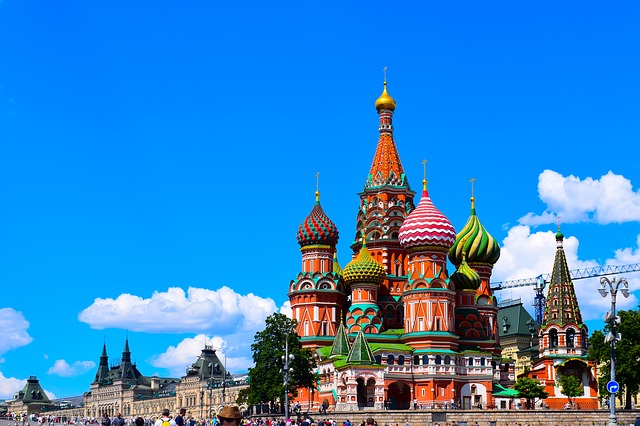
Moscow long history revisited and the story is indeed long from thousand year ago to this modern day megapolis in Europe.
Moscow sits on the far eastern end of Europe, around 1300 kilometers (815 miles) west of Ural Mountains and the Asian continent. The city inhabitants reaches nine million people and the area spreads of 1035 square kilometers (405 square miles).
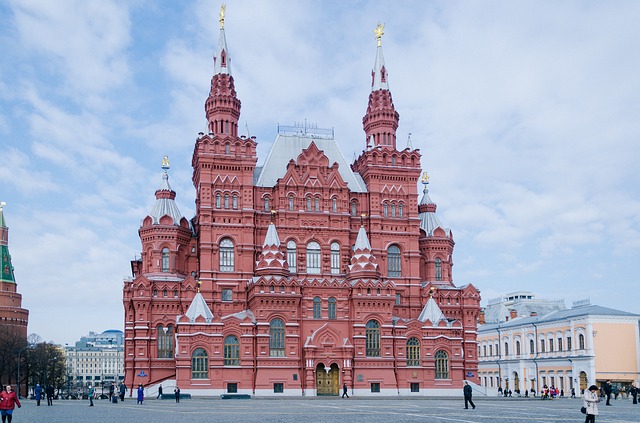
The first record of Moscow in Russian chronicles was when Prince Yuri Dolgorukiy called to his brother, the prince of Novgorod-Severski to “come to me brother, to Moscow” in 1147 when the city was founded.
It was initially called “Moskov”, sounded closer to modern English pronunciation. In fact, the name is much older than the city itself with actual name in Russian is “Moskva”. Other experts state that the city had two roots – “Mosk” (stone) and “Kov” (hiding). So the word “Moscow” can be translated as “stone shelter”.
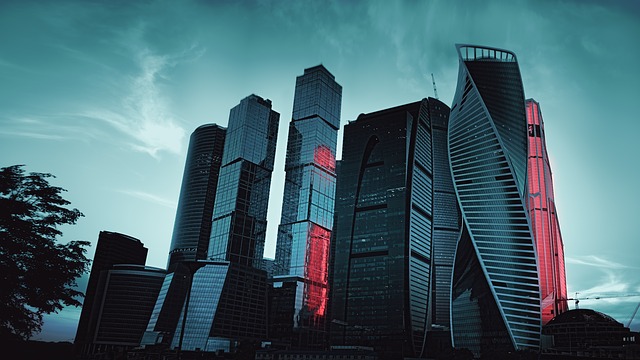
Moscow became a city when the Bolsheviks decided to move the capital back to Moscow after the 1917 October Revolution. In 1918, Moscow became the capital of the Soviet Union and transforming to a megalopolis during the Soviet era and one of the largest cities in Europe today
Russia had two capital cities from early modern times : Moscow and Petersburg. Moscow was the original capital and was succeeded by Petersburg from the beginning of the 18th century.
From 1918, Moscow was the capital of the Russian Soviet Federative Socialist Republic which then became the Soviet Union (1922 to 1991). From 1991 to present day Moscow is the capital of the Russian Federation.
During its long history, Moscow has been conquered and occupied for many times. Moscow was attacked by the Mongols in 1237-1238, they burnt the city and most of the people were killed. In 1382, again Moscow was sacked by Khan Tokhtamysh of the Garden Horde to put out the rebellion.
On September 14, 1812, French Emperor Napoleon Bonaparte occupied Moscow after crossed the Neman river before, a location where present-day Poland is now. His Grande Armee conquered the city during the Napoleonic Wars and this event marked the achievement as the summit of French invasion to Russia.
The occupation lasted until December 14, 1812, when it ended most of Moscow destroyed by fire, vandalism and looting. Napoleon faced the onset of the Russian winter and was forced to order his starving army out of Moscow.
The city was quick to rise due to its location where major economic centers situated between east and west. Furthermore Moscow has the perfect set up along the trade route from Novgorod to the Volga River, a real economic advantage from the start.
The Volga river itself stretches for about 3.500 kilometers (2.193 miles) across the northwest of Moscow down to the Caspian Sea in the South.
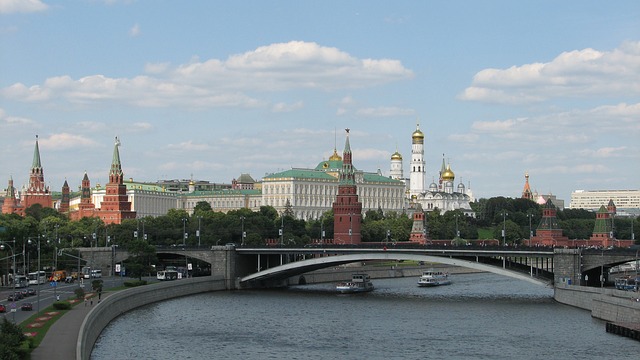
Moscow is situated on the banks of the Moskva river. It flows for just over 500 km (311 miles) through the East European Plain in central Russia. There are 49 bridges cross the river and its canal.
The symbol of Moscow depict a horseman with a spear in his hand slaying a basilisk. The horseman is identified with Saint George and the Dragon. This emblem of Moscow has been an integral part of the heraldic coat of arms of Russia since the 16th century.
For food lovers Moscow offers culinary delights to visitors. Some popular food in Moscow including Moscow style Borscht, Blini, Basket of Ponchiki, Kasha, Shchi, Pirozhki, Pasila with hazelnuts and of course the most popular drink from Russia : Vodka.
related post