BEVERAGES
APRIL 20, 2023
Guide To Sake : The Japanese Heritage Liquor
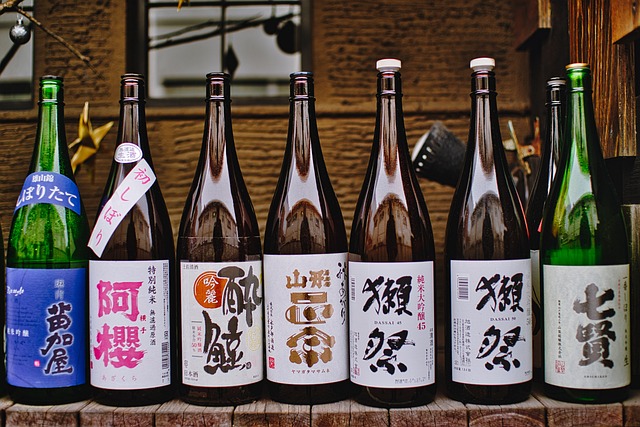
Sake, the Japanese heritage liquor that have their own unique taste and been around for centuries.
OVERVIEW
Sake (酒; pronounced “sɑ.kɛ” “SA-KE”) is a Japanese alcoholic beverage made by fermenting rice. Often also referred to as rice wine. Written descriptions of the sake brewing process are listed in the first book around 700 AD.
In Japan, the word “sake” means “alcoholic drink”. In some regional areas it can have other meanings. In Southern Kyushu, sake means distilled drink. In Okinawa, sake refers to shōchu made from sugarcane. Sake has a scent similar to rice tape. The Japanese word for liquor made from fermented rice is “Nihonshu”, which literally means Japanese liquor.
As an integral part of Japanese cuisine which is registered on the UNESCO Intangible Cultural Heritage, Japanese sake or what is known as Japanese rice wine has a high reputation, even among foreigners who know culinary.
HISTORY
Japanese began blending their staple food, rice, with purified water and koji micro-organisms to make Nihon-shu (Japanese Sake) centuries ago. They skillfully taking advantage of local natural and environmental conditions to create a unique drink.
Sake predates Japanese written records but is known to have been enjoyed for more than 2,000 years after the growth of rice cultivation. The first actual records are in Chinese historical texts from the 3rd century AD, noting that the Japanese enjoyed sake and used it during funeral rites.
Japanese sake is one of the kokushu aka traditional alcoholic drinks besides distilled sake shochu. Like French wine and German beer, kokushu is an alcoholic drink that represents a country.
PRODUCTION STAGES
Sake is made using three simple ingredients: water, rice, koji, and yeast. While some of the cheaper brands added alcohol (which was also common during the rice shortages after World War II) better quality sake varieties rely on natural alcohol.
The stages of the sake-making process are as follows: (1) Grinding rice, (2) Washing and soaking, (3) Cooking, (4) Making Koji, (5) Adding starter, (6) Moromi, (7) Pressing, (8) ) Filtration, (9) Pasteurization, (10) Aging.
There are several microorganisms that play a role in the manufacture of food and beverages so as to create flavors to new products. An example is sake that uses Aspergillus soyae and Aspergillus oryzae.
Koji-kin or Aspergillus oryzae is a type of microorganism that is said to only exist in the East. It has long been used in making soy sauce, miso and Japanese sake.
Most sake is around 15 percent alcohol, meaning it’s higher than other fermented beverages like beer or wine, but lower than distilled alcohol. Most sake is cooked to about 20 percent and diluted before boiling.
BENEFITS
Sake can be intoxicating if you drink it in large quantities, because it contains alcohol which is produced from fermented rice. If you only drink a little, the effect may only be a warm feeling on the body, not drunkenness.
Some of the benefits of sake for the body and health include helping to accelerate blood circulation, helping to warm the body, helping to strengthen the body, helping to strengthen the heart, being able to overcome sleep difficulties and helping relieve stress.
VARIANTS
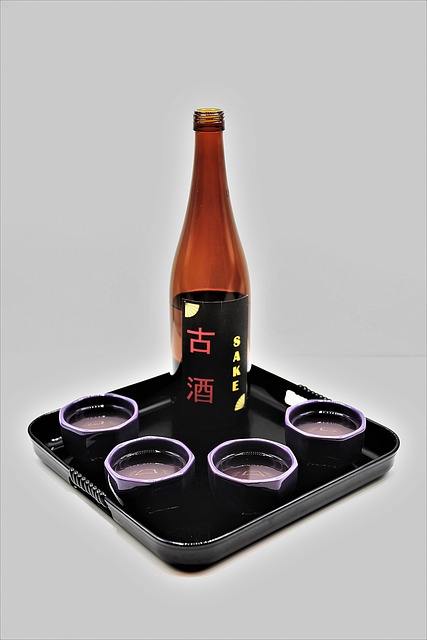
Depending on the ingredients and the rice milling process, there are various classifications that can be placed on different types of sake.
• Junmai: Sake contains only rice, water, yeast and koji, without additives such as alcohol. There is no set number of stages of rice milling.
• Honjozo: This variety requires 70% milling of the grain and a small amount of distilled alcohol may be added.
• Junmai Ginjo: This variety requires 60% milling of rice and no additional ingredients added.
Ginjo: Also requires 60% rice milling but can add a little distilled alcohol to it.
• Junmai DaiGinjo: This variety requires 50% grain milling and does not include any additives.
Daiginjo: Requires 50% grinding of rice grains but can add a little distilled alcohol to it.
One-third of Japanese sake comes from the Nada region in the city of Kobe, Hyogo prefecture. This is due to the high quality of the water but also the city’s past as a major shipping port which is important for trade with Tokyo. Hyogo is home to some of the biggest sake names in the country including Hakutsuru, Takara Holdings, Ozeki, and Kiku Masamune.
CONSUMPTION
Sake is often consumed as part of Shinto purification rituals. During World War II, kamikaze pilots drank sake before carrying out their missions.
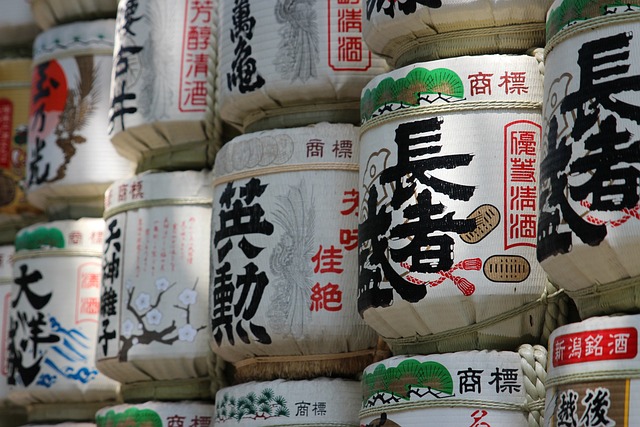
In a ceremony called kagami biraki, wooden barrels of sake are opened with a hammer during Shinto festivals, weddings, store openings, sports and election wins, and other celebrations. This sake, called zake-Iwai (“celebration sake”), is given out free to everyone to spread good fortune.
Traditionally, sake is best enjoyed during the appetizer phase, or at an “izakaya” style meal. For sake storage, try to place it at 12 to 14 degrees. In this temperature, sake can last for 10 days, after the bottle cap is opened.
related post