CULINARY
JUNE 4, 2021
the tasty story of spaghetti : from ancient arabs meal to global cuisine
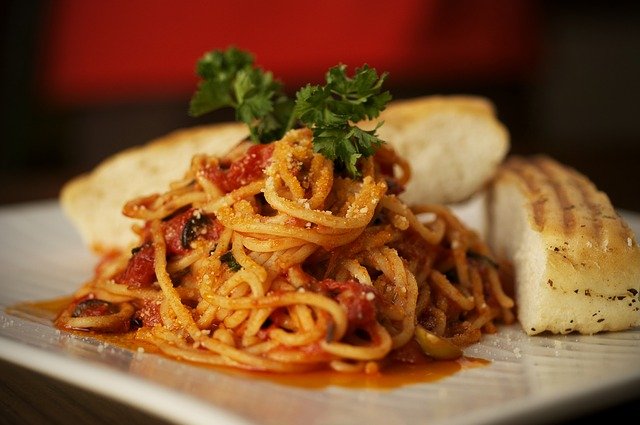
Spaghetti is one of the most popular meal in the world today. Spaghetti – (Italian: [spaˈɡetti]) is a long, solid, thin and cylindrical pasta. It is an iconic food of traditional Italian cuisine. Spaghetti is made of milled wheat and water and sometimes enriched with vitamins and minerals just like other pasta.
The term‘Pasta’ itself is from Italian word meaning ‘paste, referring to the pasta dough made from egg or water and flour. However, before pasta was known globally, it was called ‘maccaronaro’, meaning ‘kneading dough with energy’.
Also, the word Spaghetti comes from Italian : spaghetto, which means “string”. In 1849, the word spaghetti was first used as sparghetti in Eliza Acton’s Modern Cookery. Spaghetti is made from wheat noodles, which are boiled in water for a short time. The Italian spaghetti is usually made from durum wheat semolina.
Before this it is believed, the Ancient Romans and Greeks ate some kind of pasta called ‘lagana’, a version slightly similar to modern pasta called Lasagne. From this theory, during this time a tale arose in Greek Mythology that the god Vulcan, the God of Fire, pushed dough between an oven-like instrument to get thin edible threads for humans.
Although spaghetti has similar appearance with noodles they actually have different origin. In fact, noodles are originally from China and spaghetti is a traditional Italian cuisine, not Chinese. It has been more than 2000 years since the Chinese began to make noodles in Eastern Han dynasty. For this particular reason experts say that Italians did not steal pasta from Chinese noodles.
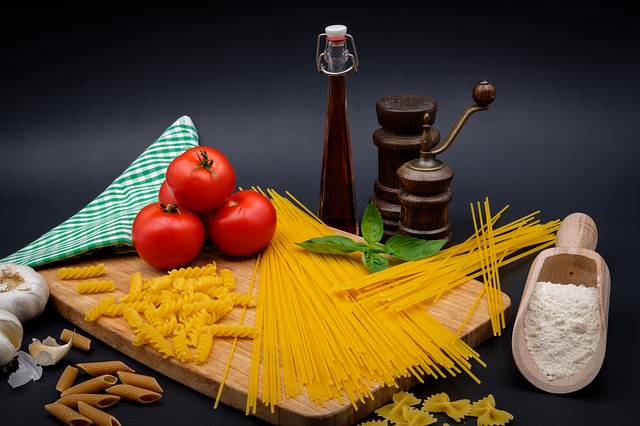
Speaking of noodles, a story reveals that pasta was inspired by Chinese noodles brought to Europe by Marco Polo in the 13th century. The noodles Polo tasted, presumably, in the far east was made from either rice flour or hard wheat flour that both exist in eastern cookery. But Marco Polo’s writings exist primarily as later transcriptions – not in its original manuscript – which were often altered.
There are several possible ways pasta managed to arrive in Sicily, Italy. The most probable way via military conquest of Sicily by Arabs in 7th century. Arab’s precursor to pasta however was called itriyya and is the closest origin of the modern pasta today. It is generally accepted that the variety of durum wheat known in Sicily during the Middle Ages was first introduced by the Arabs.
Several hundred years later a newly created Sicilian meal called “spaghetti” started to spread widely, crossing the borders of Sicily island. Moreover, many other pasta meals started becoming popular on the Italian mainland after that.
During 16th and 17th century, spaghetti was a common meal across Sicily and Italy, drove by organized manufacturing industries that soon started expanding its reach beyond the Mediterranean region.
Worldwide recognition of spaghetti was indeed achieved in the 20th century. The two world wars introduced many international soldiers to the various European cuisine.
Also the advancement of technology had helped spreading new culture globally such as the refrigerator machines which enabled keeping pastries to prolong its life. The tasty story of spaghetti has carved its own history in worldwide food menu.
related post