ENERGY
MAY 1, 2021
how power plants work
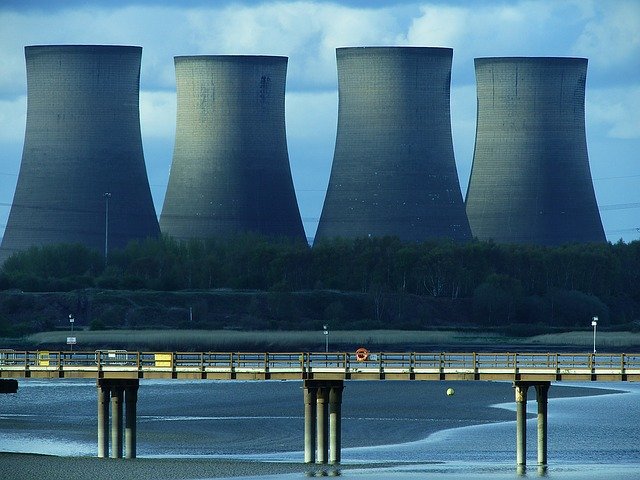
Power plants play important role for modern human civilization to fulfill electricity needs.
A power plant or a power station is an industrial facility that generates and distributes electric power in mass scale. It usually produces in the order of several 1000 Watts. Power plants are connected to an electrical grid and contain one or more generators to convert mechanical power to electric power. They supply power to the electrical grid for public’s needs.
A power plant needs to have an energy source in order to generate power. The power coming from primary energy sources such as coal, natural gas, oil and uranium (nuclear power).
Those primary energy sources are used in Thermal power plants. It heat up water from a reservoir which generates steam with high pressure. The steam then moves the turbine and the relative motion between a magnetic field and a conductor creates an electric current for electric power.
Another kind of power plant is the Hydroelectric power plant. It is one of the most effective and eco friendliest type of all power plants. In this power plant model, electricity is granted from water that is converted to electrical energy. The water is engineered to fall from a certain height on to a turbine underneath. The water rotates the blades of the turbine. And when the turbine spins, the generator starts to produce electricity. But this power plant needs to have stable water supply in order to generate electric power constantly.
When the electricity is generated, it is now the duty of transformers to “step-up” the electric power to a higher voltage. This process is important in order for the electric power to travel long distances with minimal energy loss. It then travels through pylons along overhead power cables to its destination. At the other end, other transformers subsequently “step-down” the electric power to safe voltages for houses and public use. There are two kind of voltages in the world, 110 Volt and 220 Volt.
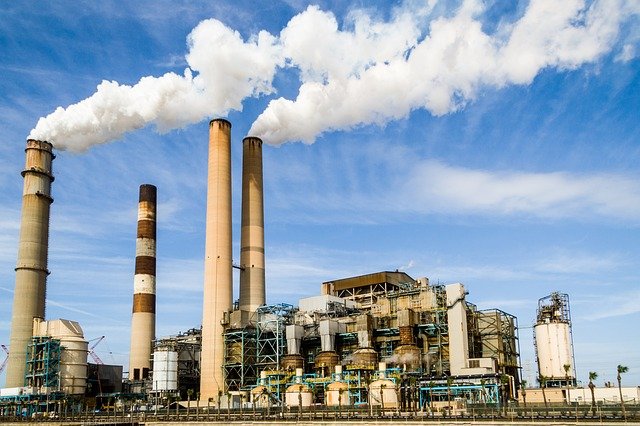
Other types of power plants are :
Nuclear energy power plant produce a vast amount of power with low fuel. It is considered to be more reliable than renewable sources of energy like solar and wind. Although the operational costs are relatively low the investment required to build this plant is still significantly high.
- Diesel power plants
By using diesel fuel this type of power plant is for small scale electric power. This kind of power plant doesn’t gain much popularity due to its high maintenance costs and diesel prices.
- Coal power plants
Coal power plants use steam coal as the source to produce electricity thus release a very huge amount of harmful gases into the atmosphere. 37% of global electricity coming from coal-fired power plants with China as the largest producer according to World Coal Association.
Many nations have already announced to phase out coal power plants in order to reduce greenhouse gas emissions. Such as Canada and a number of European countries.
- Gas power plants
This type of power plant burns natural gas to generate electricity. According to a study by the Union of Concerned Scientists the emissions produced by gas power plants are much lower than those from coal or oil.
- Wind power plants
This power plant uses wind power to rotate the blades of a turbine in order to produce electric power. Wind power plant farms usually constructed on agricultural lands. There has been a rapid growth of wind farms across the world recently.
The operational costs are low and cost effective although this project typically needs huge investment at first.
- Solar power plants
Solar energy plants cover energy from the sun into thermal or electrical energy. This is the cleanest and easiest renewable energy sources. They do not high maintenance and could last for 20 – 25 years.
But the initial costs for this power plant are high and the installation requires a lot of space.
- Tidal power plants
This power plant generates electric power by converting energy from the tidal force into power. The power production is considered more predictable compared to wind and solar power.
Tidal power plant is still not widely used but the development of this technology has the potential to grow in the future, especially for countries with long coast line.
According to Bloomberg NEF, the global electricity demand will grow from 25.000 terawatt-hours (TWh) in 2017 to about 38.700 TWh by 2050. This prediction will drive for new investments in power generating industry in the upcoming years.
related post