WRESTLING
APR 20, 2022
Sumo Wrestling History : Not Just A Common Sport
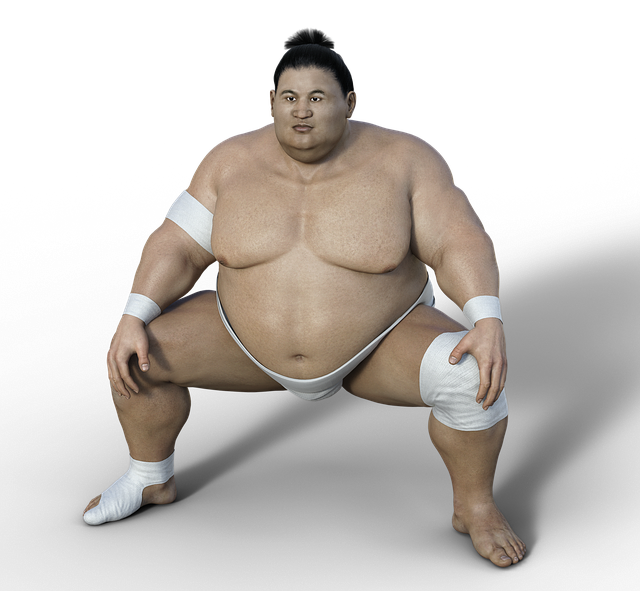
Sumo is not just a common sport, it also has deep meaning for religion and tradition in the Japanese culture.
OVERVIEW
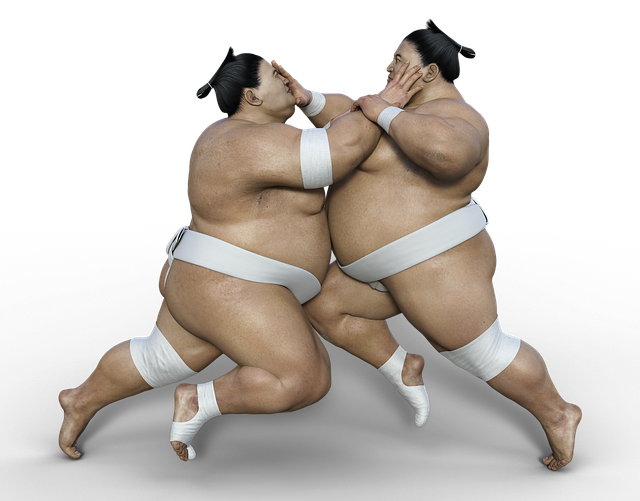
Sumo is a sport of pushing each other between two overweight sumo wrestlers until one is pushed out of the circle or falls with a part of the body other than the soles of the feet touching the ground inside the circle.
Just like various types of wrestling around the world, sumo has been known in Japan since prehistoric times. In classical Japanese literature of the 8th century AD, the earliest form of sumo is known as Sumai.
HISTORY
Sumo, which appears in Japanese folklore, was once said to be part of a ritual with the aim of increasing crop yields. From there for the next 300 years, the sport of sumo was watched at the imperial court at the Sumai no Sechie (Sumo Festival).
It corresponds to mythological stories, legends of the Kojiki, Nihon Shoki and ancient literature or Japanese classics in the 8th century. This sport of sumo has to do with one of the religions in Japan, namely the Shinto religion.
This sumo wrestler (rikishi) really needs athletes who are big, because the bigger the sumo athlete, the greater the chance of winning.
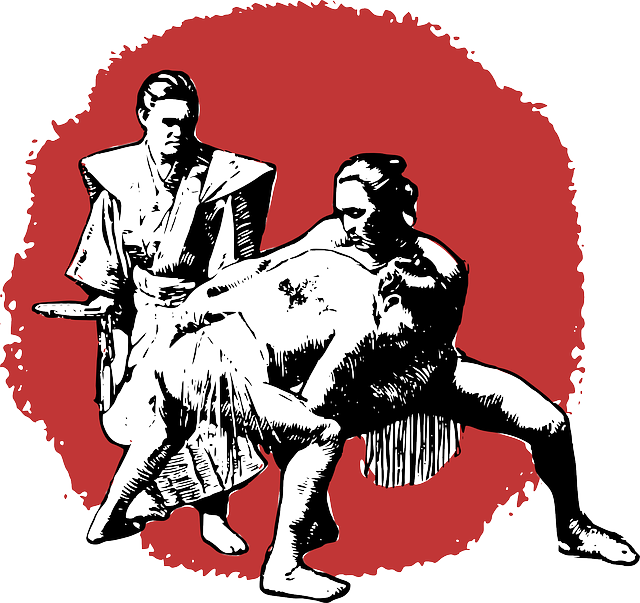
From the 12th to the 16th centuries, sumo had begun to incorporate combat into Samurai training. The first ruler in Japan named Oda Nobunaga often held sumo matches or tournaments in the 16th century.
From the Edo period, sumo became popular as entertainment for most people. The reason behind them starting to fight is to raise money for the repair and maintenance of local shrines and this is held in a Kanjinzumo event.
PROPERTIES
Sumo wrestlers fight in a 4.55 meter diameter ring which is a Shinto ritual and combat without the use of weapons.
Sumo matches take place in a ring called dohyō which is made from a mixture of hardened clay with sand spread over it. The dohyo is dismantled after the match is over and a new dohyō must be built for each tournament.
The form of the sumo ring as we know it today dates back to the time of Oda Nobunaga and its authenticity is still preserved.
In the Edo period (successor for Oda Nobunaga), sumo wrestlers had started wearing beautiful and dashing mawashi patterns called kesho mawashi, they are made of good and stiff cloth, while sumo wrestlers in the era of Oda Nobunaga still wore a loose, rough cloth covering the lower body.
Today, kesho mawashi only worn by sumo wrestlers when parading on a dohyo at the beginning of the tournament opening.
PRESENT TIME
In modern times, professional sumo is regulated by the Japan Sumo Association (Nihon Sumo Kyokai). The organization’s members consist of several Oyakata, all of whom are retired sumo wrestlers. Oyakata is the head of the training center (heya) where professional sumo wrestlers are sheltered. In Japan today there are about 54 sumo training centers consisting of about 700 sumo wrestlers.
Grand sumo tournaments are held 6 times a year and have matches lasting 15 days. The tournament is named Basho and will be held 3 times in Tokyo, then once in Osaka, Nagoya, and Fukuoka.
The difference between Sumo and Grand Sumo is, Sumo refers to the sport itself, whereas Grand Sumo means a professional wrestling tournament (Rikishi) organized by the Japan Sumo Association.
The sumo wrestler ranks consist of: Makuuchi (fixed number of 42 wrestlers), Juryo (fixed number of 28 wrestlers), Makushita (fixed number of 120 wrestlers), Sandanme (fixed number of 200 wrestlers), Jonidan (approximately 230 wrestlers), and Jonokuchi (about 80 wrestlers). Newly recruited sumo wrestlers are listed in the lowest rank (Jonokuchi) and can gradually move up the ranks to the Makuuchi rank if they excel.
Sumo is not a sport competed in the Olympics. The International Sumo Federation is trying to spread sumo around the world by hosting amateur sumo tournaments with weight classes.
related post