ABOUT HONEY
JULY 16, 2022
The 20 Facts of Honey
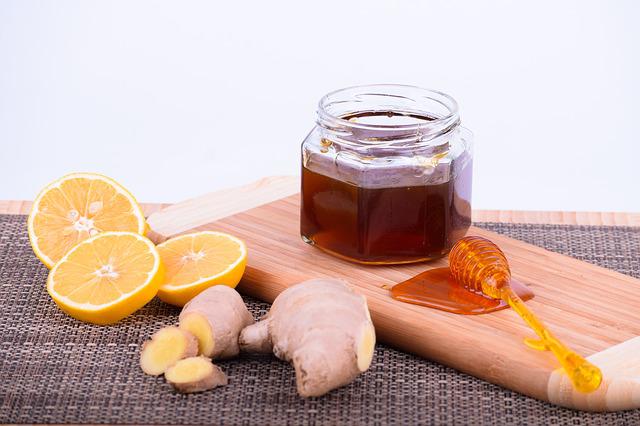
Complete honey facts for better health
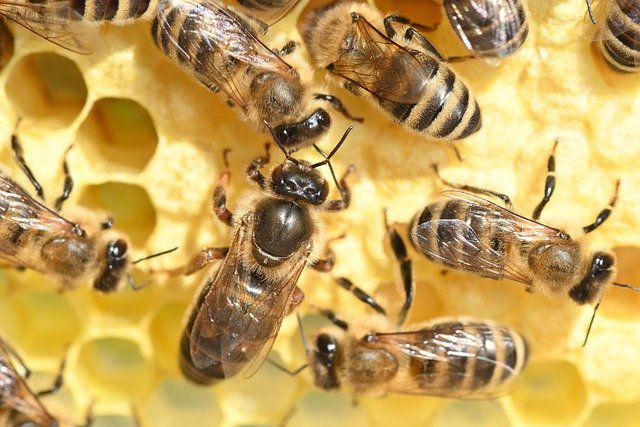
- According to Wikipedia, honey is a sweet, thick food substance made by honey bees and some other insects.
- Bees produce honey from the secretions of plant sugars (flower nectar) or from the secretions of other insects (such as honeydew or insect honey).
- Honey gets its sweetness from the monosaccharides fructose and glucose, and has a sweet taste that is almost the same as sucrose (table sugar).
- According to a Mayo Clinic report, honey is mostly sugar, as well as a mix of amino acids, vitamins, minerals, iron, zinc, and antioxidants. Besides being used as a natural sweetener, honey is also used as an anti-inflammatory, antioxidant and antibacterial.
- The variety of honey produced by honey bees (genus Apis) is the most well-known honey, because it is produced commercially and is most widely consumed worldwide.
- Honey can help lower the risk of several diseases such as cardiovascular disease. The antioxidants in honey may be associated with a reduced risk of heart disease.
- The best way to distinguish real honey is through lab tests, but a simple way to do this is to mix honey in a cup filled with liquid and rotate it.
- Studies show that eucalyptus honey, orange honey and labiatae honey can act as reliable cough suppressants for some people with upper respiratory infections.
- The assumption that quality honey should be golden yellow is wrong. Because the dark color of honey or other colors itself, usually because honey is stored at a warmer temperature, making the honey color darker.
- Honey can last for decades, if stored in a tightly closed container and at a good room temperature. But honey will spoil faster if the lid or packaging has been opened or stored in a place that is too hot or humid.
11. Similar to weight loss, consuming honey in the morning can boost the immune system, relieve sore throats, allergies and reduce fever.
12. Honey has a different taste. That’s because the difference in the flowers sucked by the bees. In addition to taste, the color of honey is also distinguished by the type of flower.
13. Honey nutrition also has benefits for lowering bad cholesterol (LDL), increasing cholesterol (HDL), and increasing NO (nitric oxide).
14. Honey consumption should not be excessive. The reason is, excessive consumption of honey can cause side effects such as nausea and vomiting.
15. Honey can actually help wound healing. This is because honey has antibacterial and antiseptic effects thanks to its hydrogen peroxide content.
16. You can also observe the high and low antioxidant content in honey from the color of the honey. The darker the color of the honey, the higher the antioxidant content it contains.
17. If honey is stored in a bad and damp container, the quality of the honey can deteriorate and become contaminated.
18. The best way to prevent honey from becoming contaminated is to place it in a tight container so it retains moisture.
19. If you put it in the refrigerator, chances are that a small portion of the honey will turn into crystals. To avoid this, try to freeze it.
20. If you want to keep the taste of honey delicious, it’s best to keep it out of direct sunlight.
related post