BIG CITIES
AUG 1, 2022
The Long Story Of Kuala Lumpur
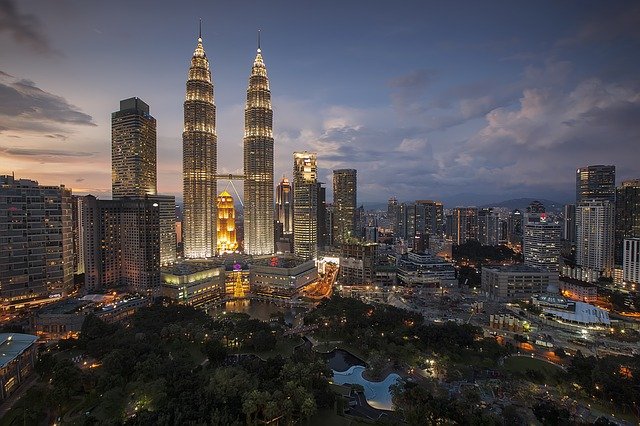
Read about the long story of Kuala Lumpur to have more knowledge about the city and its history from hundred years ago.
Kuala Lumpur (often abbreviated as KL), or its full name Kuala Lumpur Federal Territory, is the capital and largest city in Malaysia. The Federal Territory covers an area of 244 km2 (94 sq mi), with a population of approximately 1.6 million inhabitants (2010) and population density of 6,891 people per square kilometer (17,310/sq mile).
Kuala Lumpur is the fastest growing metropolitan area in Malaysia, both in terms of population and economy. This metropolis has the iconic Petronas twin towers that soar into the ranks of the tallest skyscrapers in the world.
Malay, which is the national language, is the main language in Kuala Lumpur. Other languages spoken in the city are Cantonese, Mandarin and Tamil. English also plays a big role as a business intermediary and is a compulsory subject in schools.
In Kuala Lumpur stands the Malaysian Parliament. The city has also been the location of the executive government and judiciary offices, which have moved to Putrajaya since 1999.
KL city is a gathering center for foreign tourists to spend their holidays in Malaysia apart from Penang Island and Johor Bahru.
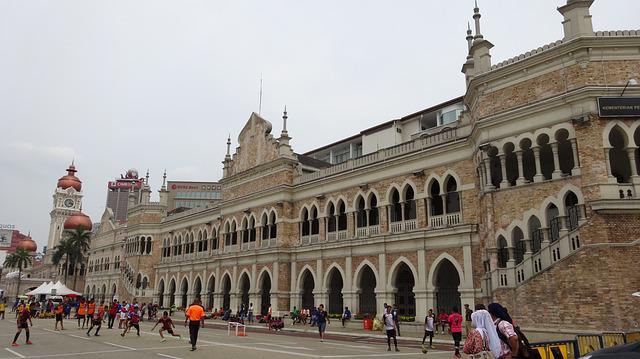
Kuala Lumpur’s modern history began in the 1850s, when King Abdullah paid Chinese laborers to open a new and larger tin mine. They arrived at the mouth of Sungai Gombak and Sungai Klang to open mines in Ampang. The region that was used as a mining site then developed as a trading area.
Yap Ah Loy was an important figure behind the construction and development of the city of Kuala Lumpur in the 1870s. He was the Chinese Captain who was responsible for the defense and all growth of this city.
Behind the development of mining and trade, many problems arose in the city of Kuala Lumpur at that time. Examples such as the civil war in the Selangor area, floods, fires and disease outbreaks that made the population more miserable at that time.
In 1880, the capital city of Selangor was moved from Klang to the much more strategic Kuala Lumpur. In 1881, fires and floods destroyed Kuala Lumpur’s wooden structures and roofs. The British resident in Selangor, Frank Swettenham, acted by requiring all buildings to be constructed of bricks and tiles only.
Kuala Lumpur’s architecture is a blend of colonial, Asian, Islamic Malay, modern and post-modern influences. As a relatively young city compared to other capital cities in Southeast Asia such as Bangkok, Jakarta, and Manila, most of the colonial buildings in Kuala Lumpur were built around the late 19th and early 20th centuries.
The construction of transportation began to be carried out, namely the train. In addition, a cleaning institute was also built in the 1890s. Then in 1896 Kuala Lumpur was made the capital of the Allied Malay States.
During World War II, the city of Kuala Lumpur was successfully controlled by the Japanese army. More precisely from January 11 to October 15, 1945. The Federation of Malaysia then succeeded in gaining independence from Britain in 1957.
The city of Kuala Lumpur was used as the capital, after the formation of Malaysia on September 16, 1963 the city was used as the capital of the country.
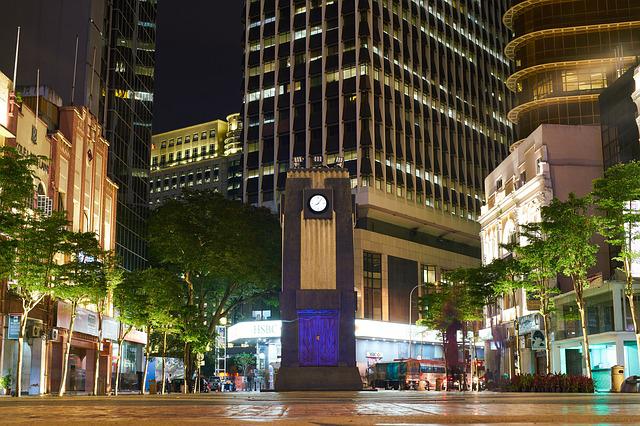
In Kuala Lumpur there are 66 shopping centers, which places it as the retail and fashion center of Malaysia. In 2006, the spending sector in Malaysia contributed RM 7.7 billion or 20.8% of tourism income.
Kuala Lumpur is also the center of cultural events and activities in Malaysia. One of the most important cultural places in the city is the National Museum located on the Mahameru Highway. This museum holds various collections of artefacts and paintings collected from all over Malaysia.
Kuala Lumpur has an international class sports complex built for the 1998 Commonwealth Games, the National Sports Complex in Bukit Jalil.
The city is a co-host of Formula One, the A1 Grand Prix, and the Motorcycle Grand Prix. The race was held at the Sepang International Circuit, Selangor, near Kuala Lumpur International Airport.
On February 1, 2001, the center of Malaysian government was moved from Kuala Lumpur to the Federal Territory of Putrajaya. This caused the executive and judicial functions to be moved, while the parliament and the residence of the King Yang di-Pertuan Agong remained in Kuala Lumpur.
related post