HISTORICAL PLACE
MAR 1, 2022
Why Is The Forbidden City Important To China
Learn why is the Forbidden City important to China. The city is not just a tourist site but also a symbol of Chinese rulers.
The Forbidden City (Chinese: Zi jìn Chéng) also known as the “Former Palace” (Gùgōng ) and “Palace Museum” (Gùgōng Bówùyùan ) is a complex of imperial palaces and residences for Emperor of China and members of his household during the Ming and Qing Dynasties between 1420 and 1924.
The name “Forbidden City” is a translation of Zǐjìn Chéng which literally means “Purple Forbidden City”. The name Zǐjìn Chéng first appeared officially in 1576.
The Forbidden City was built under the orders of the Yongle Emperor who ruled from the Ming Dynasty between 1406 and 1420.
To build the city, more than a million people worked on the construction of the sprawling palace. Materials came from all over the empire including custom-made “gold” bricks, tree trunks from the rare Phoebe zhennan tree, stone from Beijing, marble from Shanghai, wood from Yunnan and Sichuan provinces and bricks from Shandong. These finest materials are sourced from all over China.
The construction allied with the modern techniques of the time while retaining the aesthetic and symbolic features of tradition. When the palace was completed, the Yongle Emperor moved the imperial capital to Beijing.
The city is called the “Forbidden City” because at the time, this location in Beijing City was only allowed to be visited by the royal family.
Although no longer occupied by the nobility, the Forbidden City is still a symbol of Chinese rulers. Its image appears on the coat of arms of the People’s Republic of China. The Palace Museum is now one of the most tourist-attractive locations in the world.
According to Britannica, government officials and even the imperial family are only allowed limited access to the complex. Only the emperor himself could enter any section at will, all access area for him.
The Forbidden Palace was the royal palace during the Ming and Qing Dynasties, also known as the Palace Museum. This location has an area of about 720,000 square meters. In this area there are 800 buildings and more than 8,000 chambers, including rooms. Each palace consists of five doors. The main gate, according to Chinese legend, is passed only by the King.
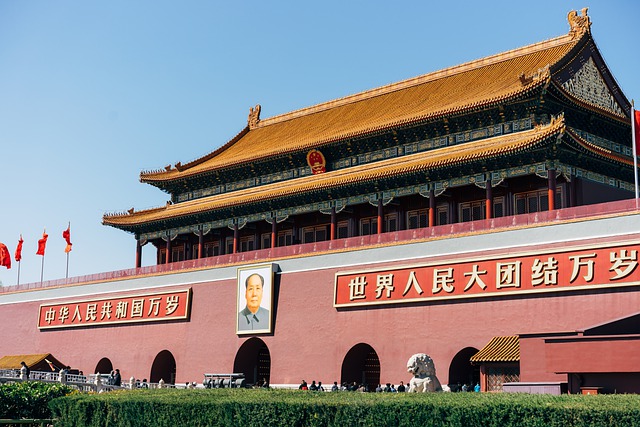
The location of this royal palace is north of Tiananmen Square and can be accessed from the square via the Tiananmen Gate. The location is surrounded by a large area called the Royal City.
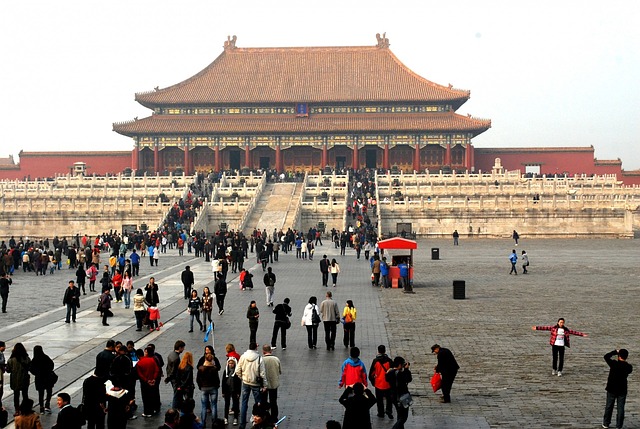
Famous landmarks within the Forbidden City are the Wu Gate (Meridian), the Hall of Supreme Harmony (Taihedian) and the Imperial Garden (Yuhuayuan).
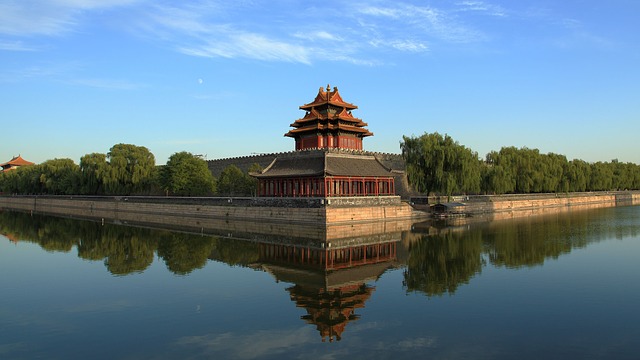
At the back of the building is fenced by a river about 20 meters wide. Although no longer occupied by the aristocracy, the Forbidden City remains a symbol of power in China.
The Palace Museum is one of the most attractive locations for tourists in the world as well as the Great Wall of China, which is located about 100 km from Beijing City.
Besides Forbidden City, Beijing has other rich tourism resources, especially with its historical sites including Temple of Heaven, Summer Palace and others.
The Forbidden City was listed as a UNESCO World Heritage Site in 1987. The site is considered the location with the largest ancient wooden structure in the world.
related post