FOREIGN CURRENCY
MAY 20, 2022
A Brief Tale Of Japanese Yen Currency
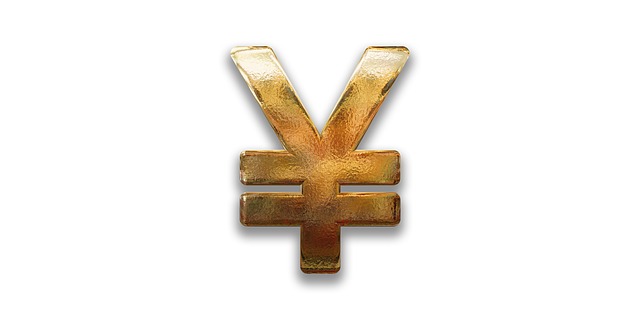
The Japanese currency, Yen, has a long history from more than one thousand years ago until today, as one of the most traded in the market.
Yen is the currency of Japan. Symbol: ¥ or in Japanese: en (円). The yen is the third most traded currency on the foreign exchange market, after the United States Dollar, Euro and Pound Sterling. This is because Japan is a developed country with a strong economy.
Actually the symbol of 円 is read as en. However, it became “yen” based on romaji or transliteration in the Tokugawa shogunate era. The katakana character エ (e) is read as je. Another example is Ebizu (a district in Tokyo) that written as Yebizu.
HISTORY
Based on historical records, the Yen has been in use since June 27, 1871 as part of Shinka jōrei (Japanese government regulations regarding the new currency). Yen currency replacing the old currency, namely Mon.
Actually, the existence of Yen can be traced back to the time of the Han Dynasty or around 221 BC. At the time, a monk from China named Wu Zhu was the one who introduced money in the form of coins to the Japanese. Until the 8th century, Japan continued to import similar coins from China to use as their official currency.
Beginning in 708, Japan began minting its own copper and silver coins as currency. This coin is named Wado Kaichin or Wado Kaiho. About 250 years later, Japan re-imported currency from China due to an economic downturn.
Several centuries later, the Japanese economy began to grow rapidly. China began to be overwhelmed by the demand for currency from Japan, so Japan began to produce its own coins called toraisen and shikusen to cover the shortage of coins from China.
MODERN ERA
During the Muromachi period, from 1336 to 1870, Japan used the Mon currency. However, this currency is unstable and does not have a standard exchange rate against foreign currencies. Finally during the Meiji reign, the Yen was introduced.
In 1870, Japan asked a German company to help print a new currency known as the German Note. The currency was printed in the same way as the German currency. This currency was officially circulated in 1872.
Subsequently, the national bank began to ask US companies to produce the currency issued in 1873. The national bank began to produce the first currency in the western style of currency.
ORIGIN OF THE SYMBOL
Before using the symbol 円 , Japan used 圓 as its currency sign. Now, Japan also uses another symbol to write its currency, namely ¥. This symbol is more recognized and popular internationally than the symbol 円 .
There are several explanations for the origin of using the kanji en (円, circle) to write the Japanese currency symbol :
One of them is the Japanese tradition of symbolizing money with a circle formed from the index finger and thumb.
Another explanation says that coins are round, so the kanji for circle is used to refer to money. At that time in Hong Kong coins were issued with the words Hong Kong ichi en (香港壱圓), and the Japanese government imitated the use of the kanji character to symbolize Japanese currency, but used a new form of kanji.
THE CODE SYSTEM
Although the symbol is internationally known, the fields of economics, business, and cross-border banking today prefer to use the ISO 4217 code system to define the currencies of countries in the world.
ISO 4217 code was chosen to replace the symbol or money symbol because it is shorter, easier, and can overcome errors if there is more than one currency sign that happens to be the same.
And for the Japanese yen itself, the ISO 4217 code is JPY. The first two letters, JP, are Japanese abbreviations and also the internet for the country with Kimigayo’s national anthem. While the last or third letter, Y, are the initials of Yen.
CURRENCY FORM
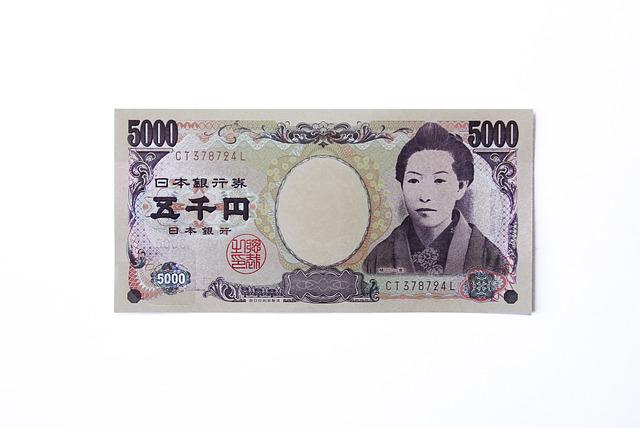
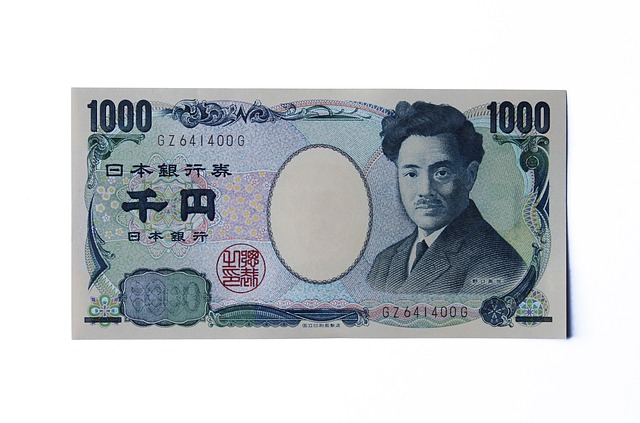
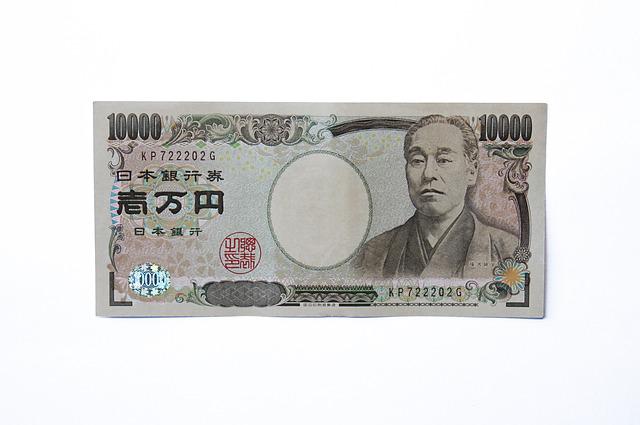
Yen is divided into two forms, namely paper and metal. The printing, issuance, circulation, and withdrawal of this currency is regulated by the Bank of Japan as the central bank.
The Japanese Yen note consists of 1,000, 2,000, 5,000, and 10,000.
The Japanese Yen denomination consists of 1, 5, 10, 50, 100 and 500
related post