DAILY FOOD
SEPT 1, 2022
History Of Coffee : The Drink That Shapes Civilization

One of the oldest drinks, coffee has been around for centuries and has a long history.
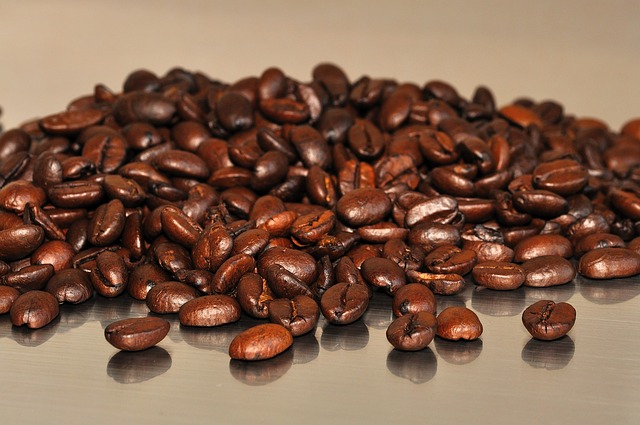
Coffee is a drink brewed from coffee beans that have been roasted and ground into powder. Coffee is one of the commodities in the world that is cultivated in more than 50 countries. Two commonly known species of coffee trees are Robusta Coffee (Coffea canephora) and Arabica Coffee (Coffea arabica).
HISTORY
Coffee was first discovered in Ethiopia, East Africa, in the 9th century. The person who first discovered coffee was Khaldi, a goat herder in Ethiopia.
After eating the coffee beans, the Kaldi goats became very energetic and did not sleep at night. Then he reported his findings to the local abbot. In further developments, the Gallas in East Africa use coffee as food.
In fact, until now some areas in Africa still eat coffee. They make food by crushing coffee beans, then adding oil. Then, the dough is shaped round and consumed immediately.
This custom then continued to develop and spread to various countries in Africa, but the method of presentation was still using the conventional method. Only a few hundred years later, these coffee beans were carried across the Red Sea and arrived in Arabia with a more advanced method of serving.

ETYMOLOGY
According to the Encyclopedia Britannica, the Kefa (Kaffa) area, Ethiopia is where the coffee plant was first discovered. According to them, the term coffee comes from the language where the coffee plant originates, namely Abyssinia. Adapted from the word “kaffa” the name of a town in the Shoa area, in South-Southwest Abyssinia.
GLOBAL SPREAD
Initially coffee existed only in Ethiopia, where the original grain was grown by the highland Ethiopians. However, when the Arabs began to expand their trade, coffee beans had also spread to North Africa and coffee beans there were grown en masse. It was from North Africa that coffee beans began to spread from Asia to the European market and its fame as a drink began to spread.
Coffee beans were first officially brought into Europe in 1615 by a Venetian merchant. He got a supply of coffee beans from the Turks, but this amount was not sufficient for the market’s needs.[citation needed] Therefore, Europeans began to cultivate it.
The Dutch were one of the first European countries to successfully cultivate it in 1616. Then in 1690, coffee beans were brought to the island of Java to be cultivated on a large scale.
Coffee plants were brought into Indonesia during the Dutch colonial period, which succeeded in making Indonesia one of the main coffee producing countries in the world until now. However, due to the currents of globalization and Dutch capitalism that Indonesia accepted, Indonesian coffee culture has only become part of everyday life and is not widely appreciated by local people.
COMMODITY AND DISTRIBUTION
Brazil has been the world’s largest coffee-producing country since the 1840s, with about 300,000 coffee plantations. The coffee plant was first brought to Brazil by French settlers in the 18th century.
This country located in the Americas is able to produce up to 63.4 million sacks of coffee measuring 60 kilograms (kg) in 2020. The area of coffee plantations in this country is about 27,000 square kilometers spread across Minas Gerais, Sao Paulo.
There are 25 types of coffee whose fruit is the most commercial, but there are only 4 types of coffee which are the most famous in the world of buying and selling coffee beans. And the four types of coffee are Arabica coffee, Robusta coffee, Liberica coffee, and Excelsa coffee.
Arabica coffee is a traditional coffee whose taste is considered the most delicious by coffee connoisseurs. Arabica coffee beans have the characteristics of a smaller bean size than robusta coffee beans, in addition, the caffeine content is lower, the taste and aroma are more delicious.
EFFECT FOR BODY
Coffee is known for its high caffeine content. Caffeine itself is a secondary metabolite compound of the alkaloid group from the coffee plant and has a bitter taste.
The main role of caffeine in the body is to increase psychomotor work so that the body is maintained and provides a physiological effect in the form of increased energy. This effect will usually only be seen a few hours later after consuming coffee.
The safe limit for consuming caffeine that enters the body per day is 100-150 mg. With this amount, the body has experienced enough increased activity to keep it awake.
related post