DAILY INGREDIENTS
AUGUST 5, 2022
Taste The Long History Of Salt
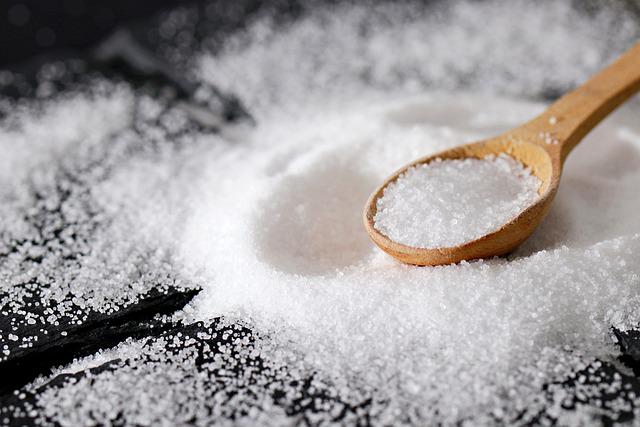
As one of the most important ingredients for cooking, salt is also a vital component for our health.
Salt is one of the most important ingredients for cooking. Food without salt tastes terrible and far from delicious. With salt we can turn ordinary-taste meal to a much better one.
How can a salt be formed ? Salt is formed from the reaction of an acid and a base. The components of these cations and anions can be inorganic compounds such as chloride (Cl−), and can also be organic compounds such as acetate (CH3COO−) and monatomic ions such as fluoride (F−), as well as polyatomic ions such as sulfate (SO42−).
Humans Turned To Have Known Kitchen Spices Since 6,100 Years Ago. Jakarta – The use of natural grains as a flavoring has been around for thousands of years. This latest evidence was found by a team of researchers in the UK. The earliest evidence revealed that humans started using spices in ancient dishes.
According to existing history, salt is thought to have been first discovered in Yungchen Lake, China. Launching from the puraindonesia.com page, local residents in Yungchen Lake harvest salt during the dry season. This salt is then brought to various parts of the world by the Chinese people through trade routes.
The use of salt has also been done since ancient times. Salt served as a food preservative and flavoring agent in ancient times. In addition, it also serves to preserve mummies, and offerings to the gods.
Table salt and sea salt both come from the sea. The difference is, table salt is the result of salt deposits that are processed into fine crystals, while sea salt comes from evaporation of sea water.
Sea salt is mentioned in the Buddhist text, the Vinaya Pitaka, written in the 5th century BC. The principle of table salt production is to evaporate seawater. In warm and dry areas, this process can be done completely by relying on sunlight. In colder regions, additional fuel is required.

Sea salt is salt that is produced from the evaporation of seawater. Sea salt has many uses, including as a cooking spice and in cosmetics. The science of making sea salt has been carried out since prehistoric times.
Rainwater dissolves minerals and releases salt from rocks on land which is then carried by rivers to the sea. When the sun’s rays warm the sea, the water evaporates and the salt is left behind, making the sea water taste salty.
Sea salt is not always produced from the sea because some countries such as the United States continue to label it “sea salt” as long as the level of purity is as required. So that mining salt mixed with other minerals can be called sea salt according to this provision.
Some cooks believe sea salt has a better taste and texture than mine salt. The texture of pure sea salt tends to be coarser so the rate at which the salt dissolves in the mouth will vary and give a different taste. The mineral content can also affect the taste.
Himalayan salt, which naturally has this pink color, is mined near the Himalayas in Pakistan. Many people claim that this salt is loaded with minerals and provides amazing health benefits. Thus, Himalayan salt is often touted as healthier than regular table salt.
Then in terms of price, Himalayan salt is much more expensive than ordinary salt. Himalayan salt mining process is not easy and can only be mined from a few places. This is why Himalayan salt has a high price.
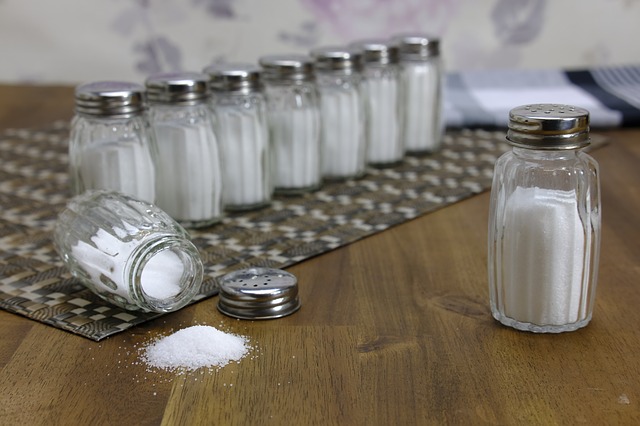
The composition of sea salt is generally the same as the content of ions dissolved in sea water. Dry sea salt contains approximately 55.5 percent chlorine, 30.8 percent sodium, 7.7 percent sulfate, 3.7 percent magnesium, 1.2 percent calcium, 1.1 percent potassium.
Iodine, an essential nutrient for humans, is contained in very small amounts of sea salt. Salt sold under the label “iodized salt” is salt fortified or fortified with iodine.
What are the benefits of salt for the body? Salt contains sodium which functions to hold fluid in the body’s cells. By consuming enough salt every day, you will avoid lack of body fluids or dehydration.
related post