AFRICAN COUNTRY
JANUARY 6, 2023
A Brief Story Of Ivory Coast : The Cocoa Land
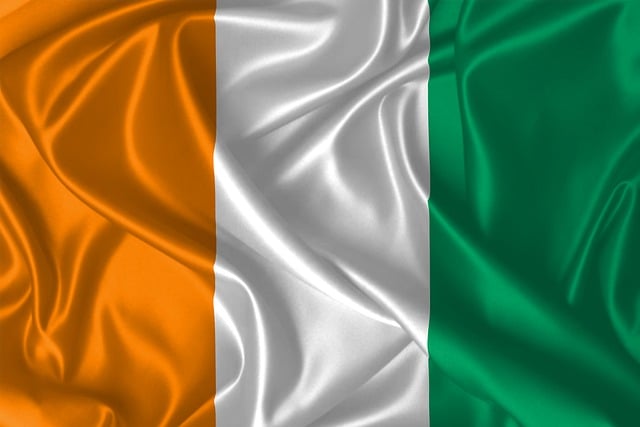
Ivory Coast is one of the countries in West Africa with many kind of agriculture commodity such as cocoa and coffee.
Ivory Coast (French: Côte d’Ivoire) is a country in West Africa bordered by Liberia, Guinea, Mali, Burkina Faso and Ghana to the west, north and east and the Gulf of Guinea to the south.
Although its economic development has been eroded by political turmoil due to corruption and resistance to reform, Ivory Coast which became independent on 7 August 1960 has a long history.
OVERVIEW
French is the official language of Ivory Coast and is spoken in government, offices and schools. There are various tribes who speak different languages.
Cote d’Ivoire (Ivory Coast) officially became a French colony on March 10, 1893. Louis Binger, who had explored the Gold Coast’s borders, was appointed as the first governor there.
He then negotiated border treaties with Liberia and England (for the Gold Coast) and started campaigns against Samori Toure, a chief of the Malinke tribe, who fought against the French until 1898.
Many upheavals occurred during the French colony. Until finally in 1904 to 1958, Ivory Coast became a constituent unit of the French West African Federation.
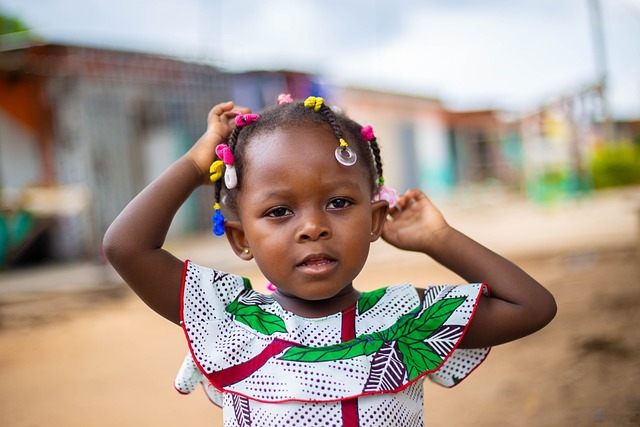
WHY IVORY COAST ?
Ivory Coast got its name because it was the center of the elephant ivory trade at that time. There are two mentions of the name Ivory Coast, namely the English version is Ivory Coast and the French version is Côte d’Ivoire.
The country’s name is often translated into various languages, for example : Elfenbeinküste in German and Costa de Marfil in Spanish. In October 1985 the government of Côte d’Ivoire requested that the country be called that way in all languages. According to the national law of Côte d’Ivoire, the name of this country may not be translated from French.
ECONOMY
The main economy of Ivory Coast originates from agriculture, especially cocoa, where Ivory Coast is the largest cocoa producing and exporting country in the world and the fourth largest exporter of goods, overall, in sub-Saharan Africa (following South Africa, Nigeria, and Angola).
This country produces more than 2 million tons of cocoa beans annually, or the equivalent of more than 40 percent of the world’s total cocoa production.
Cocoa plantations in this country absorb a lot of labor from neighboring countries such as Ghana, Liberia, Sierra Leone, Guinea, Senegal, Guinea Bissau, Cape Verde, Nigeria, Benin and Togo. Apart from cocoa, the main agricultural products in Ivory Coast are coffee, rubber, sugarcane, coconut and palm oil.
Ivory Coast’s climate is tropical, but there are differences between regions. The south, with its wet forests, is hot and humid. Annual rainfall is more than 230 cm, while temperatures range from 22°-32° C.
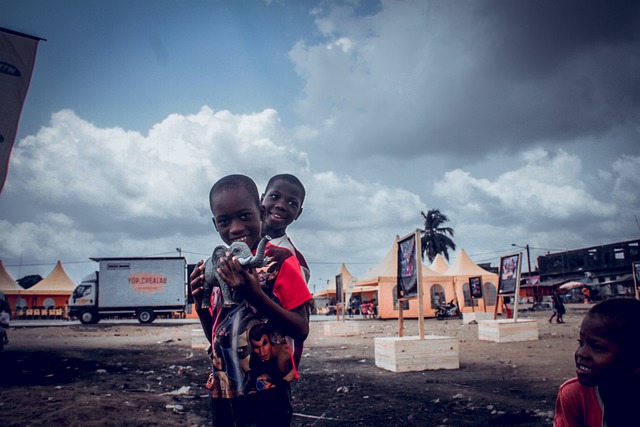
HISTORY
Long before the first Europeans knew of Ivory Coast, there existed a kingdom in the north and east of the country. In the 11th century, the city of Kong was founded by the Senufo tribe, whose descendants now live in northern Ivory Coast.
The Portuguese were the first Europeans to come to this country, and they then spread the lands they knew to other traders. In 1887, the French then consolidated their power throughout the Ivory Coast.
On July 11, 1960 France declared Ivory Coast to be completely independent. Ivory Coast became independent on August 7, 1960, and allowed its community membership to end.
Yamoussoukro has been the capital since 1983. When the new capital was being built, Abidian as the old capital, which at that time was the largest city and the main port of Ivory Coast, still functioned as the capital.
Felix Houphouet-Boigny, a leader of the independence movement, served as president of Ivory Coast until he died on 7 December 1993.
related post