NATURE WONDER
FEBRUARY 25, 2023
All About The Long Nile River
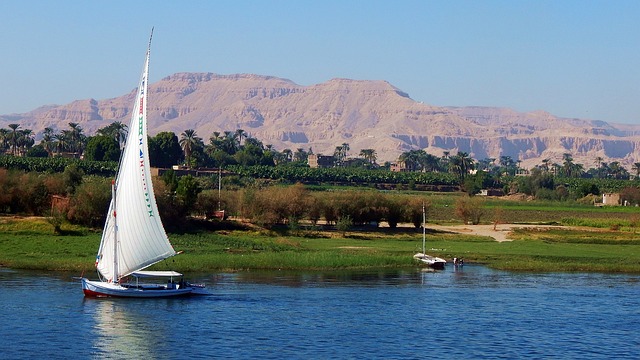
The Nile river is the longest river in Africa that flows into the Mediterranean Sea. This river plays vital role for Egypt since thousand years ago.
The Nile river is a large river that flows north in northeastern Africa. This river flows into the Mediterranean Sea. The Nile is the longest river in Africa, and was once considered the longest river in the world, until recent research has shown that the Amazon River is slightly longer.
It was formed as a result of the movement of the continental crust. The crust is the Rift Valley that starts from the east of Africa and ends in the north in the Palestinian and Levant fault areas. This crustal movement also created the Red Sea.
The river is one of the smallest rivers among the world’s rivers based on the discharge of water that flows each year. Approximately 6,650 km (4,130 mi), its drainage basin spans across eleven countries: Tanzania, Uganda, Rwanda, Burundi, Democratic Republic of the Congo, Kenya, Ethiopia, Eritrea, South Sudan, Republic of Sudan, and Egypt.
In ancient times the Nile had other branches; classical Greek historians and geographers mention five to seven branches. Later, the branches of this river and some of its waterways were covered with silt so that they became smaller or disappeared.
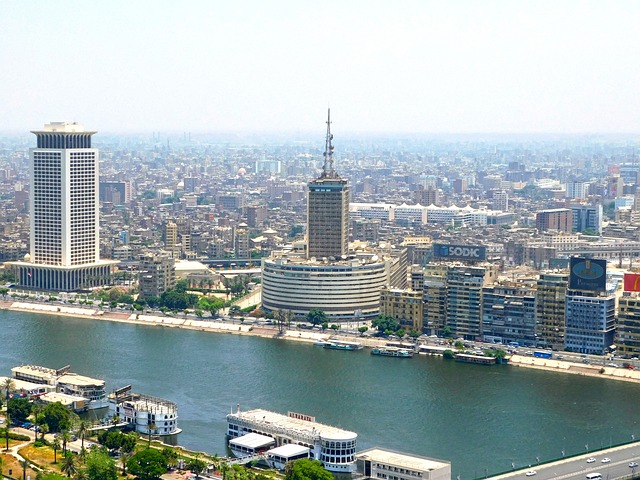
The name of the river Nile comes from the Greek and Latin Νείλος Nilus. The origin of the word Nilus is still being debated. There are also other possible etymologies such as from the Semitic Nahal word meaning “river”.
The springs of the Nile originated in the lake region of modern Rwanda and Burundi. These sources flow into Victoria lake, and from here a river flows into Albert lake; further north it is known as the White Nile. In Khartoum, the White Nile joins the waterfall-like Blue Nile River flowing down from the mountains of northern Ethiopia.
Not only agriculture, the Nile River plays a role in supporting the economy of the Egyptian people through the fishing sector. Because of these agricultural and fishing activities, the Nile River is able to absorb a large number of workers.
Ancient Egyptian civilization has a very long span of time. Ancient Egyptian civilization began around 3150 BC with the union of groups in the Nile valley.
Scottish explorer James Bruce claims to be the first European to discover the source of the Blue Nile. In 1770 he made it to the swamps and waterfalls at Tis Abay in Ethiopia.
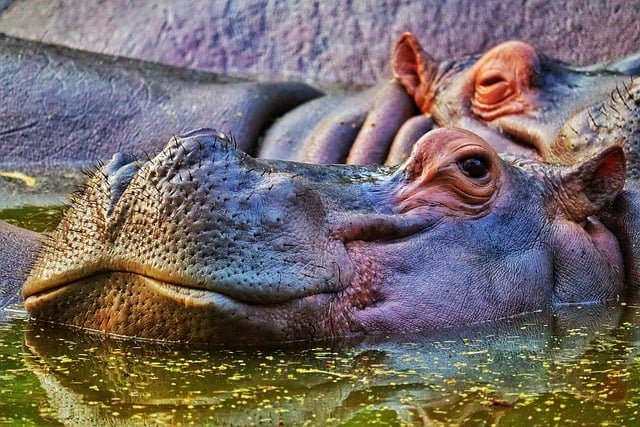
Although important to civilizations throughout Africa, the Nile also presents many threats as it is home to many predatory animals including crocodiles which can move 48 km per hour and kill around 200 people each year.
There are also hippos known to attack boats. Hippos are now only found in certain areas. In the past, they were scattered along the river. Although herbivores, they can be vicious towards animals and humans when under stress.
Some dangerous animals are venomous snakes such as the Black Mamba and Egyptian Cobra, and mosquitoes. Mosquitoes in the Nile can not be underestimated.
96% of Egypt’s water supply comes from the Nile River. Nile River water is used for the needs of agricultural power generation and even for household needs. The majority of Egypt’s population resides in the Nile River valley so that major cities including the Egyptian capital Cairo are in the Nile River valley.
Other benefits of the Nile River are as a means of recreation or tourism, for bathing livestock, making the surrounding land fertile, as well as a source of water for the people of Egypt.
This area is widely used for agricultural activities, clean water sources, and irrigation. Because of this, the Nile River basin area developed into a center of agricultural activity and human settlements.
related post