ELECTRICITY
APRIL 23, 2021
Electricity and human civilization
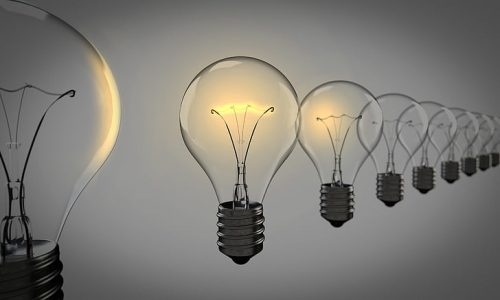
Our modern technology has produced magnificent civilization for more than a century. And this can only be achieved with the invention of electricity.
Electricity is the presence and flow of electric charge. Maxwell’s equations described that electricity is related to magnetism. It is particles in motion—a flow of electrons from one place to another that keeps electric goods running including air conditioners cooling, heaters heating, lights illuminating, computers and many more.
Some common phenomena in daily life are related to electricity such as lightning, static electricity and electric fish. The electric fish ability to produce electricity was already known by humans since 2750 BC by ancient Egyptians and later reported by ancient Greek, Roman and Arabic scientists.
Today, the electricity powers the realities of our daily life worldwide, yet 840 million people still lack access to electricity.
Electricity is both a basic part of nature and one of the most widely used forms of energy. Primary energy sources are renewable or non-renewable energy, but the electricity we use is neither renewable nor non-renewable.
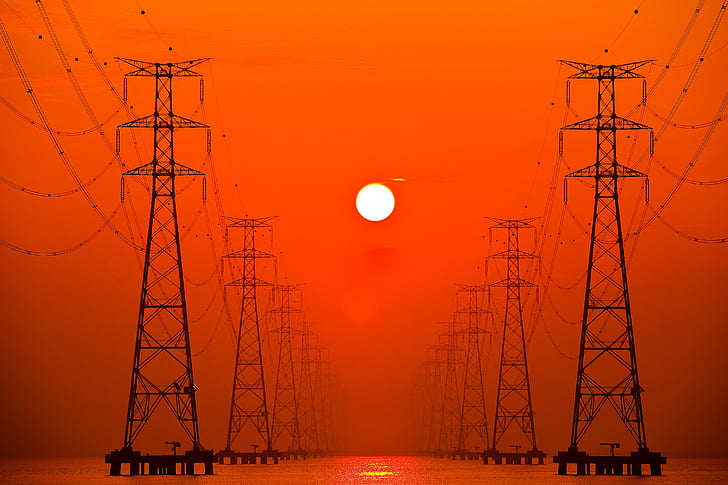
Unlike coal, electricity cannot be mined from the ground. It is derived from primary sources, so we call it a secondary source of energy. Direct uses of primary energy mostly are limited to generating heat and motion. But electricity has a wide range of various applications.
The electric power plays such an essential role in our modern civilization like in American life that its supply and demand are often examined separately from the primary sources used to produce it.
Thanks to the scientists and inventors who have worked hard in developing electricity since the 16oo’s. Names like Benjamin Franklin, Nikola Tesla and Thomas Edison contributed to this power source.
In the late 1800’s Nikola Tesla pioneered the use of Alternating Current (AC) electricity which reduce the cost of transmitting electricity and brought it into indoor home use and to power the machines. The era of modern electricity began since that.
According to US Energy Information Administration (EIA) website, the primary sources that we convert to produce the secondary energy are coal, natural gas, nuclear energy, solar energy, and wind energy. Electricity is also referred to as an energy carrier.
Today human society produce most of its electricity by using fossil fuels by burning coal, oil, or gas. The fossil fuels heat the water to create steam that turns a turbine which produces the electric power. But the problem is, the carbon dioxide from the burning fuel fills the atmosphere and creates pollution to the fresh air. Electricity production gives rise to 25% of heat trapping emissions globally in average.
The heat emissions causing serious trouble to our Earth environment. It make our planet getting warmer from time to time and triggers the climate change This is why we need more power plants that use the renewable energy.
In the United States, sources of US electricity generation in 2020 from EIA data are : renewables (20%), petroleum (1%), nuclear (20%), coal (19%) and neutral gas (40%). The renewable sources coming from : wind (8,4%), hydro (7,3%), solar (2,3%), biomass (1,4%) and geothermal (0,4%).
Generating electricity using renewable sources is a challenging job, but some progress is being made and developing constantly. This is due to the big loss to customers if massive blackout occurs. According to the US Department of Energy (DOE) power outages and interruptions cost Americans at least $159 billion US each year, that is about $500 US for every person in America.
related post