
NATIONALITY
AUGUST 2, 2021
five most popular european countries national anthems
Here are the five most popular European countries national anthems :
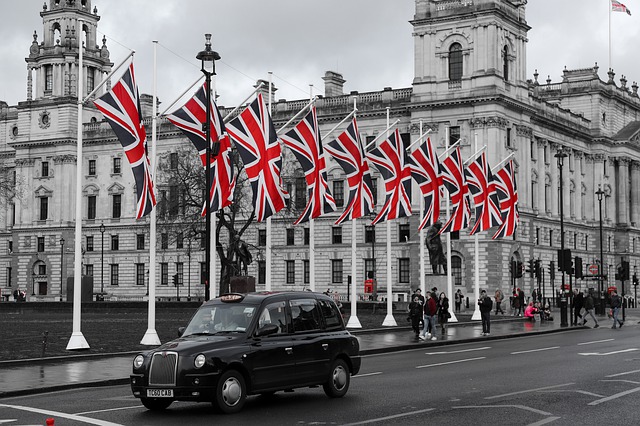
God Save The Queen
“God Save the Queen” (or the King) depending on the gender of the reigning monarch, is the national anthem of the United Kingdom as well as the national or royal anthem in most Commonwealth realms, their territories and the British Crown dependencies.
The author of the tune is unknown, and it may originate in plainchant; but an attribution to the composer John Bull is sometimes made.
“God Save the Queen” is also one of two national anthems used by New Zealand since 1977, as well as for several of the UK’s territories that have their own additional local anthem.
The song was first appeared in 1744 in Thesaurus Musicus. This version was popularised in Scotland and England the following year and was published in The Gentleman’s Magazine.
The sovereign and her or his spouse are saluted with the entire composition, while other members of the royal family who are entitled to royal salute receive just the first six bars.
The first six bars also form all or part of the Vice Regal Salute in some Commonwealth realms other than the UK as well as the salute given to governors of British overseas territories.
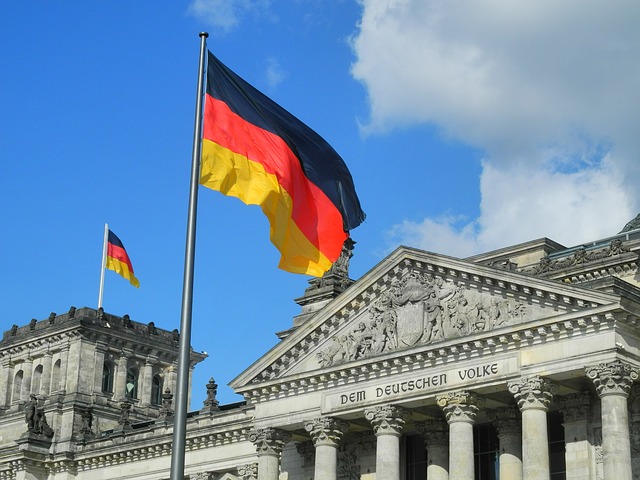
Deutschlandlied
Deutschlandlied (Song of Germany) is the official national anthem of Germany from 1922 to 1945, of West Germany from 1950 to 1990, and of reunified Germany from 1990.
The tune was composed in 1796 by Austrian Joseph Haydn and was first performed in 1797 for the birthday of Holy Roman emperor Francis II.
Decades before that, the tune was adopted by nationalist poet and university professor August Heinrich Hoffmann von Fallersleben for use with a new set of lyrics that he wrote in August 1841.
It was retained as the anthem of Nazi Germany and those lyrics took on unfortunate connotations. What was originally intended in 1848 as a call of a unified nation became reinterpreted as a justification for German expansionism and misinterpreted by some as a claim to German world hegemony.
For this reason, it was banned for a while after World War II, but restored in 1951 by West Germany, using officially only the third verse. With the fall of the Soviet Union and the opening of the Berlin Wall, the reunification of Germany took place. In 1991 the third verse of the “Deutschlandlied” was declared the national anthem of the restored country.
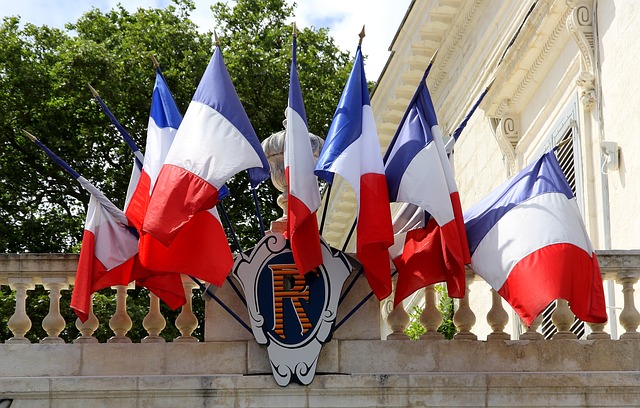
La Marseillaise
“La Marseillaise” is the national anthem of France. Written in 1792 by Claude Joseph Rouget de Lisle in Strasbourg, it was originally titled “Chant de guerre pour l’Armée du Rhin” (“War Song for the Army of the Rhine”).
The French National Convention adopted it as the Republic’s anthem on 14 July 1795. Its nickname acquired after being sung in Paris by volunteers from Marseille marching to the capital.
During the reigns of Napoleon Bonaparte, Louis XVIII and Charles X from 1804 to 1830, La Marseillaise was banned because of its Revolutionary associations. It wasn’t officially reinstated until 1879 when it was restored as France’s national anthem and has remained so ever since.
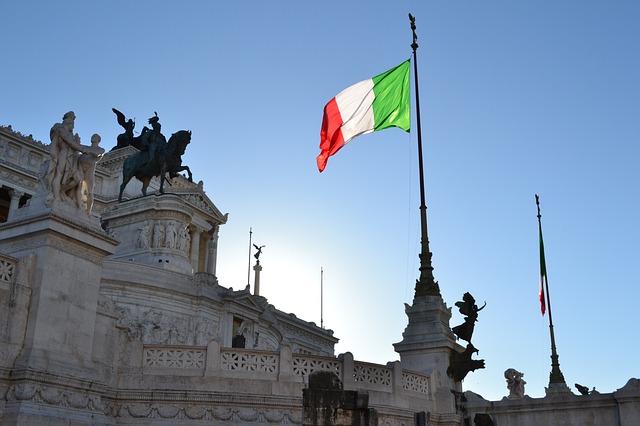
Fratelli d’Italia
The national anthem of Italy has three different names :
Its official name is ‘Inno di Mameli’ – Mameli’s hymn, named after the man who wrote the words. The second is ‘Il Canto degli Italiani’ – ‘the song of the Italian people’ is its populist name. The third is the most well-known name, and the name Italian people almost invariably give it, is ‘Fratelli d’Italia’ – ‘Brothers of Italy’.
Written in 1847, during the first battles for Italian unification, it was provisionally adopted as the Italian national anthem only in 1946.
The words were written by a twenty year-old poet and composer, Goffredo Mameli, who tragically died only two years after he’d finished composing it. He wasn’t well known and this was his only masterpiece. The complete anthem has a total of five verses and a chorus which is sung between each.
The music, written by Michele Novaro, is a fairly typical Italian marching type. However, in present day Italian culture, traditions dictate that at every official occasion only the first verse and the chorus are sung.
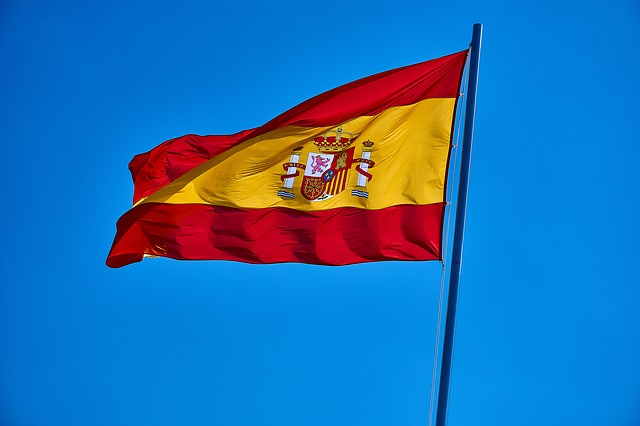
Marcha Real
The “Marcha Real” (Royal March) is the national anthem of Spain. It is one of only four national anthems in the world (with Bosnia and Herzegovina, Kosovo and San Marino) that have no official lyrics.
The anthem was first printed in 1761 and entitled Libro de la Ordenanza de los Toques de Pífanos y Tambores que se tocan nuevamente en la Ynfant Española (Book of the Ordinance of Newly Played Military Drum and Fife Calls by The Spanish Infantry), by Manuel de Espinosa
Current official version of “Marcha Real” is a sixteen-bar long phrase, divided in two sections. Tempo is set to 76 and key to B-flat.
The long version is the honors music for the King, while a shorter version is for the Princess of Asturias, the President of the Government of Spain, or during sporting events.
There are also three official arrangements: orchestra, military band and organ, written by Francisco Grau Vegara. All in all, there are six different official adaptations. They all were recorded by the Spanish National Orchestra and the Spanish Royal Guard Band as an official recording.
Of course, there are still many beautiful national anthem songs from other European countries, but these are the five most popular European countries national anthems that we hear frequently all around the world.
related post