NATURAL ENERGY
APR 7, 2022
What Is Petroleum : A Complete Overview
Let’s get to know what petroleum is for a complete overview of this natural energy resource that plays vital role in modern civilization.
ORIGIN
Fossil fuel is a material that contains hydrocarbons of biological origin. This energy is found inside the Earth’s crust and can be used as an energy source.
Fossil fuels are mixtures of compounds made from the fossilized remains of plants and animals from millions of years ago. The formation process takes a very long time so that it is a non-renewable natural resource.
Being in water or their habitat near water sources, dinosaur carcasses, tree remains and marine organisms such as algae will sink to the bottom of a swamp or sea. The remains of these organisms settle to the bottom of the Earth and are then covered with mud. The mud gradually turns into sedimentary rock due to the pressure of the layer above it.
Fossil energy used by humans and come in many forms, from petroleum, natural gas to coal. Petroleum was formed over millions of years and were buried in layers of sand and rock. Petroleum will move through the porous rock and will accumulate when it reaches the hard rock layers.

CHEMICAL MIXTURE
Petroleum is a complex mixture consisting mostly (about 90% to 97%) of hydrocarbon compounds. The hydrocarbons contained in crude oil are mainly alkanes, while the rest are cycloalkanes, alkenes, alkynes, and aromatic compounds.
To obtain petroleum, special processing techniques are needed. This is because the oil found will usually be mixed with natural gas.Therefore, there is a need for a process of separating petroleum from natural gas.
Petroleum that has been separated from natural gas in the form of a thick black liquid and smells is called crude oil. Because it is still crude, this oil certainly cannot be used directly. It is necessary to carry out a distillation process.
In general, crude oil is divided into two types, namely heavy crude oil and light crude oil. Heavy crude oil is a type of petroleum that is contained in rocks or sand. This oil is miscible with water and contains a lot of sulfur. As much as 70 percent of the oil content on Earth is this type of oil. It can be extracted by mining.
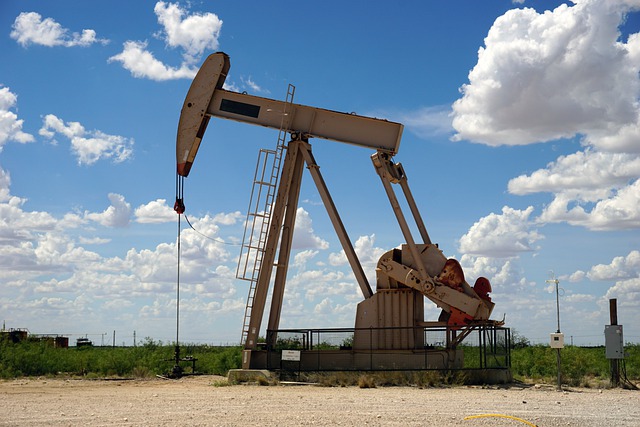
Meanwhile, light crude oil is crude oil that comes out of the Earth. Oil containing hydrocarbon compounds is flammable. In addition, this oil also contains a lot of sulfur, oxygen and nitrogen. This oil is black and sticky. This light crude oil can be extracted by drilling and pumped through pipes and then transported by truck to the oil refinery.
REFINERY PROCESS
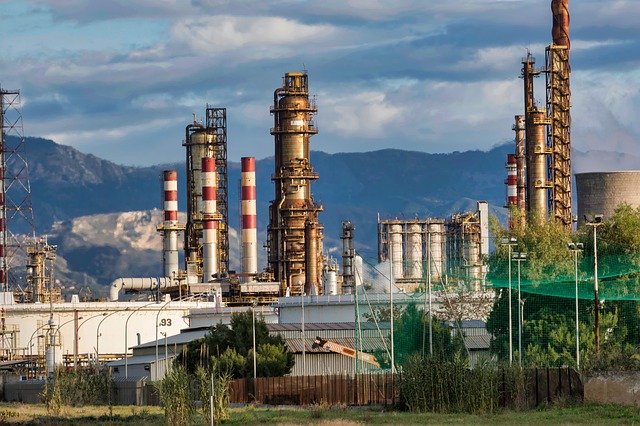
The next process that must be carried out in petroleum processing is cracking, reforming, polymerization, purification and blending or quality improvement. The six techniques in the petroleum refining process must be carried out carefully and thoroughly in order to obtain good quality oil.
The presence of sulfur compounds in fuel is very undesirable because the higher the sulfur content, the lower the quality of the fuel in addition to being harmful to all living things because it produces toxic gases such as hydrogen sulfide (H2S) and sulfur dioxide (SO2).
Sulfur must be separated from petroleum because it causes losses, namely corrosion, interferes with catalysts, unpleasant odors, air pollution and acid rain.
FUTURE USAGE
The benefits of petroleum is as one of the important resources. Starting from industrial raw materials, vehicle fuel, materials for household furniture to ingredients for beauty and health products.
Taking into account the ratio of energy reserves to production levels, experts estimate that oil will run out in 53 years, natural gas in 54 years, and coal in 110 years.
Although petroleum supplies are running low, there are several ways to find alternatives to petroleum. One way is to create alternative energy, for example using hydroelectric power plants, air power plants, or processing animal waste into gas.
related post