
DAILY TOOLS
DECEMBER 18, 2021
Long History Of Combs And Brush
Long history of combs and brush, little handy tools that we use daily have been used since thousand years ago by our ancestors.
In the past, combs were originally made of almost any material including bone, tortoishell, silver, gold, rubber, wood and many other things.
About 5.000 years ago, the earliest use of the comb can be traced back. Throughout history archaeologists have been found any kind of primitive combs. Ancient Egyptians created combs as earls as 5500 BC. Combs are among the oldest tools ever found.
In Sudan and Egypt the earliest ancient combs were found and led experts to believe they may have functioned as decorative objects.
The oldest combs similar to today’s combs coming from Royal combs from Pharonic times in Egypt around 1500 BC. They were used for delousing and two-sided : ones side was used to untangle knots in the hair and the other one with the fine teeth used to remove lice and eggs.
In 1970, the modern plastic comb was invented by John Wesley Hyatt who came up with celluloid or nitro-cellulose for the usable plastics. He was inspired by a contest in 1863 for a billiard ball that wasn’t made of ivory. Later on the unbreakable comb arrived in 1940’s that made of nylon.
In the Western world, the Vikings are often given credit for inventing the comb. Bristled combs are one of the objects most commonly found inside the Viking graves. It was made of the antlers of animals such as red deer or other animals they killed.
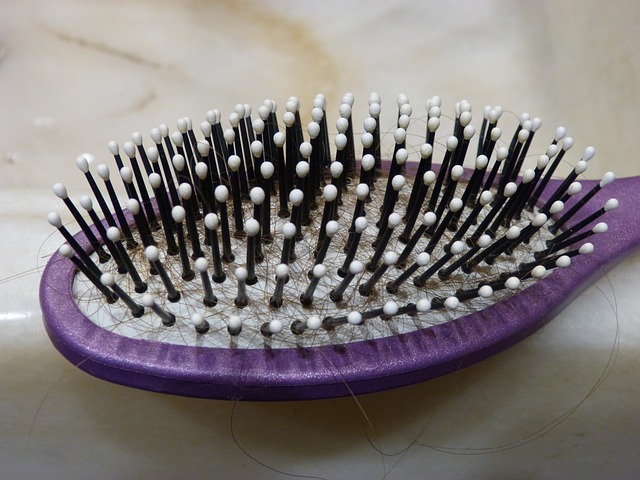
The development of comb produced what we call the hairbrushes. Lyda Newman was a black female inventor who patented the first hairbrush with synthetic bristles. She invented it to find a more efficient way to fix her client’s hair. In 1777, William Kent began to made brushes in England. It features bristles that were stitched into the handle by hand and domed bristles.
The earliest US patent for a modern hairbrush was by Hugh Rockand in 1854. Samuel Firey patented another brush with elastic wire teeth along with natural bristles in 1870 as US Patent 106,660.
For daily use combs are better at getting through thick hair, curls and tangles but usually flatten your hair in process. For short hair, brushes are easier and are better for maintaining volume and fluff including increase bounce and curl in your hair. The holes in the brushes are there to allow air from blow dryer to pass easily. Whatever you choose, using brush or comb for any kind of hairstyling is essential.
All brushes and combs have individual bristles. When some hairs become wrapped around it, they create resistance and making it harder to pull the comb or brush through hair.
Combing your hair activates sebaceous glands, that produce scalp’s natural oil (sebum). It coats the scalp surface and work to create the right pH balance. Same goes with brushing. Hair care experts recommend brushing your hair twice a day during morning and night to help distribute scalp’s natural oils through your hair. Brushing can also keep your hair healthy and and free of tangles and prevent breakage or damage.
But be aware that brushing hair too much may cause friction and damage the cuticle. If your hair is already porous from chemical substances extra caution is advised when brushing.
related post